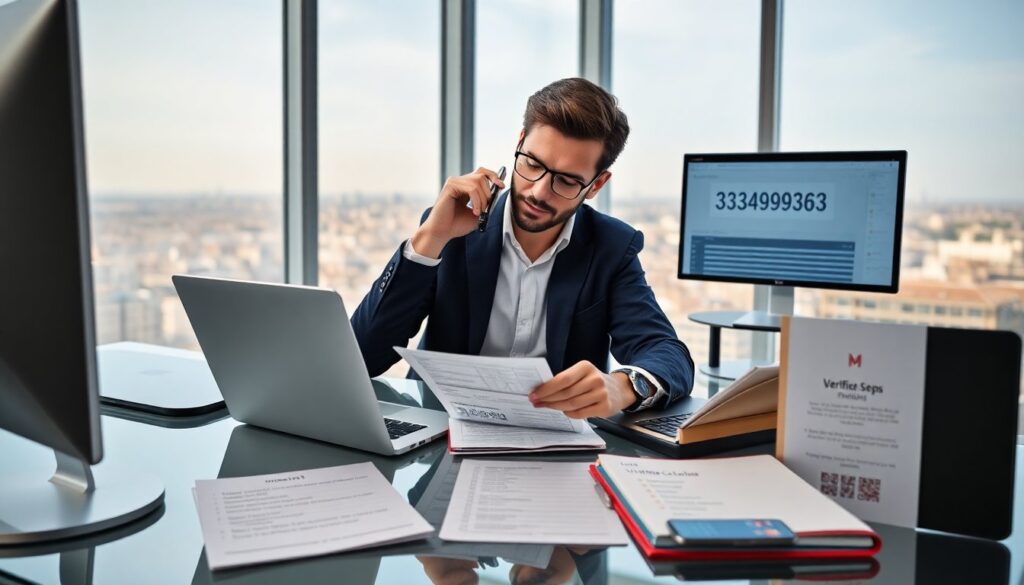

Someone found the string 3334939363 and asked what it means. The reader wants clear steps to identify the source. This guide shows practical checks for 3334939363 and next steps if the number proves suspicious.
Table of Contents
ToggleKey Takeaways
- The number 3334939363 can be analyzed as a phone number by checking formats and using reverse lookup services to identify carriers and potential scam labels.
- When investigating 3334939363, keep detailed records of calls, messages, and timestamps to track suspicious patterns or spoofing attempts.
- Consider that 3334939363 might also be a non-telephony identifier such as an account ID, tracking code, or device number by searching related emails and database logs.
- Conduct safe verification steps by isolating the number, avoiding sharing personal data, and confirming identities through official vendor contacts instead of unsolicited sources.
- If evidence suggests fraud linked to 3334939363, report it to authorities, carriers, and consumer protection sites, and enhance your account and device security measures.
- Share information about 3334939363 cautiously in public forums by limiting personal data exposure to encourage helpful and safe community support.
Possible Identities For 3334939363
Phone Number Patterns, Country Codes, And Reverse Lookup Clues
A person can first treat 3334939363 as a phone number. They check the length and leading digits. Many countries use ten-digit national numbers. The digits 333 often appear as area codes in some regions. The reader should add a plus sign and try formatting variations such as +33 34 93 93 63 or +1 333 493 9363. Those formats reveal likely country code matches.
A person can use reverse lookup services. They enter 3334939363 into a reputable reverse lookup site. The service returns carrier data, line type, and user reports when available. The reader must prefer services that show source citations and timestamps. If the lookup shows spam labels, the user should treat the number with caution.
A person can check call logs and message headers. They match timestamps and note any patterns. Repeated calls from 3334939363 at odd hours suggest automated dialing. Calls that include a local number pattern likely come from a local carrier. If the display shows a short or masked version of 3334939363, the caller may use number spoofing.
A person can test a safe callback method. They place a short, controlled call or use a secondary device to call 3334939363. They avoid sharing personal data. They note whether the responder uses automated prompts or human speech. An automated response that requests secure data or payment indicates a scam attempt.
Nontelephony Uses: Account IDs, Tracking Codes, And Data Identifiers
A person can treat 3334939363 as a non-phone identifier. Many systems assign long numeric IDs to users, orders, or devices. The reader searches email content, account pages, and shipment notifications for matches. If a service displays 3334939363 near an invoice or tracking label, it likely serves as an internal ID.
A person can search site logs and database exports. They query logs for exact matches to 3334939363. Matching entries reveal the field context. For example, an API log that shows “user_id=3334939363” proves an account ID. A server that logs “tracking=3334939363” proves a shipment code.
A person can check application formats. Some apps use fixed-length numeric strings for device IMEI, session tokens, or ticket numbers. The reader matches the digit count and check digits where present. If the number fails format checks for common identifiers, it likely serves as a custom reference number.
A person can inspect QR codes and barcodes. They scan codes on labels and screens that contain numeric sequences. If a scan returns 3334939363, the number maps to a product or order. The reader should copy the full context that surrounds the number to aid support teams.
A person can combine clues. If an email lists 3334939363 and the sender domain matches a known vendor, the number likely links to that vendor’s order system. If the digits appear in a message from an unknown sender, the reader should treat the entry as unverified until they confirm via trusted channels.
How To Investigate 3334939363 Safely And Effectively
Step‑By‑Step Verification: Tools, Records, And When To Contact Authorities
A person should log initial facts about 3334939363. They record the time, medium, and any attached text. They keep screenshots and call logs. Those records prove the sequence of events.
A person should run technical checks. They use reverse phone lookup services and WHOIS for linked domains. They paste 3334939363 into search engines and enclose it in quotes to find exact matches. They filter results by date to find recent reports. They note matches that point to common scam reports or legitimate services.
A person should isolate the number from normal workflows. They block calls from 3334939363 on their primary device. They use a secondary device or a secure line if they must call back. They avoid entering passwords, one-time codes, or payment data when interacting with unknown numbers.
A person should verify identity through official channels. They contact known vendors using published support numbers. They provide the recorded evidence and ask staff to confirm whether 3334939363 matches any account or order. They do not use contact details provided in unsolicited messages that mention 3334939363.
A person should check device and account security. They review recent login history and connected devices. They change passwords and enable two-factor authentication if they find suspicious access. They search email rules and forwarding rules for entries referencing 3334939363.
A person should escalate when harm appears likely. They report fraud attempts that ask for money or sensitive data. They file a report with local police and with national fraud centers. They forward the evidence and timestamps. They also report 3334939363 to their carrier and to consumer protection sites that accept spam reports.
A person should use caution with public posts. They avoid posting full copies of messages that include personal data. They share only the digits 3334939363 and the non-sensitive context when asking for help in forums. This practice reduces exposure while still allowing community verification.
A person should follow up. If the investigation shows a confirmed scam pattern, they monitor accounts for unauthorized activity. If the number proves legitimate, they archive the evidence and restore any blocked contacts. They keep a brief note about the outcome for future reference.