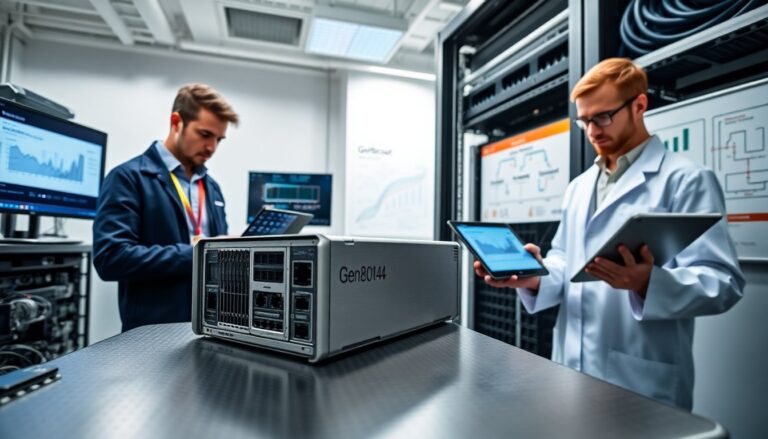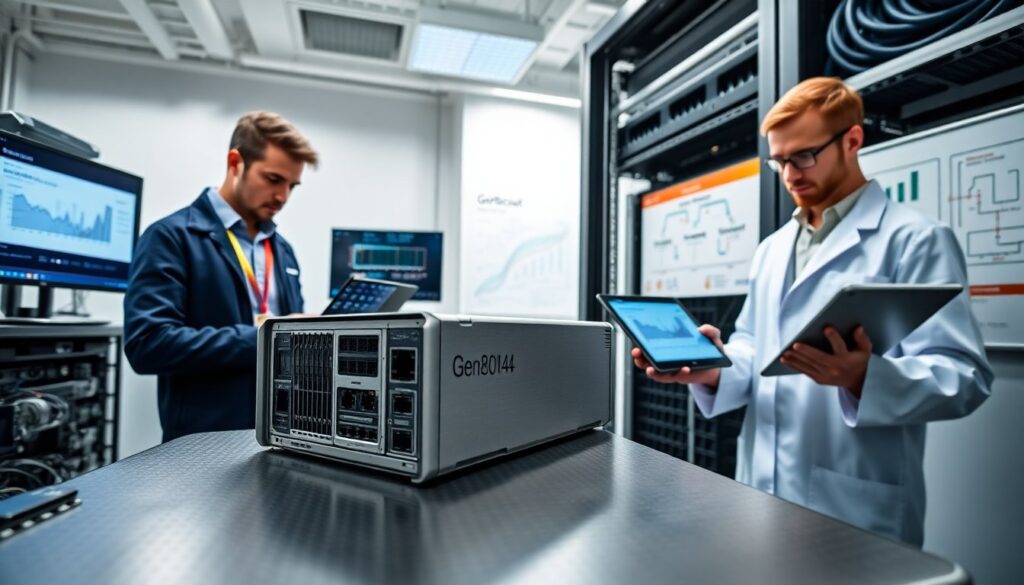

Gen88046 refers to a modular processing device used for high-throughput data tasks. It launched in 2024 and gained traction in 2025. Engineers use Gen88046 for signal processing, edge inference, and industrial control. This article describes what Gen88046 is, how it works, and where it fits in modern systems.
Table of Contents
ToggleKey Takeaways
- Gen88046 is a modular processing device designed for high-throughput, low-latency edge computing tasks in industries like manufacturing, telecom, and healthcare.
- It features a multi-core heterogeneous architecture with up to 32 CPU threads, vector units, and supports PCIe Gen4/5 for powerful, efficient processing close to data sources.
- Gen88046 excels at reducing latency and bandwidth costs by enabling local data processing, making it ideal for real-time analytics, machine vision, and network functions.
- Proper installation includes following vendor guidelines, updating firmware, validating system configurations, and thorough testing to ensure reliable operation.
- Common issues such as firmware mismatches, overheating, and driver errors can be addressed by keeping firmware updated, optimizing cooling, and using vendor-approved components.
- Compared to alternatives, Gen88046 offers a balance of flexibility, power efficiency, and lower cloud fees, with a recommended three-to-five-year upgrade cycle and modular upgrade options to maintain performance.
What Gen88046 Actually Is — Origins, Core Purpose, And Typical Applications
Gen88046 began as a research prototype at a university lab. Developers designed Gen88046 to deliver fast, deterministic processing with low power use. The core purpose of Gen88046 is to move compute close to data sources. Typical applications include factory automation, camera-based inspection, real-time analytics at the edge, and low-latency network functions. Early adopters saw benefits in throughput and predictable timing. Vendors offer Gen88046 as a card, appliance, or embedded module. Integrators choose Gen88046 when they need compute that runs continuous workloads without large power or cooling budgets.
Key Technical Specifications And Performance Characteristics Of Gen88046
Gen88046 uses a multi-core heterogeneous design. It combines general-purpose CPU cores, specialized vector units, and a programmable logic block. Typical specs list 8–32 CPU threads, vector engines supporting 512-bit operations, and a configurable fabric for I/O. Gen88046 ships with up to 64 GB of onboard RAM and NVMe-class flash for local storage. It supports PCIe Gen4 or Gen5 and 10–100 Gbps network interfaces. Measured latency for small inference jobs sits in the low-millisecond range. Power consumption varies by workload but often ranges from 25 W to 120 W. Thermal design allows fanless operation in lower-power variants and active cooling in higher-performance models.
Real-World Use Cases: Industries And Scenarios Where Gen88046 Excels
Manufacturing teams use Gen88046 for machine-vision inspection on production lines. Transportation operators use Gen88046 to run object detection on cameras inside vehicles. Telecom providers deploy Gen88046 for virtualized network functions at cell sites. Energy firms use Gen88046 for local telemetry filtering to reduce backhaul costs. Healthcare installations use Gen88046 for on-site image preprocessing before sending data to cloud systems. In each case, Gen88046 reduces latency, lowers bandwidth need, and keeps sensitive data local. Companies pick Gen88046 when they need deterministic execution and long duty cycles.
Installation, Setup, And Integration Best Practices For Gen88046
Install Gen88046 into a validated chassis or mount according to the vendor guide. Connect power and network before applying firmware updates. Configure boot order and storage encryption in the system BIOS. Use vendor-provided drivers and runtime libraries for optimal performance. Validate PCIe lanes and network links with simple benchmarks. Stage workloads in a test environment and run soak tests for 48–72 hours. Use container images when possible to simplify deployment. Document firmware versions and keep a rollback plan. Train operations staff on basic diagnostics and safe reset procedures.
Common Problems And Troubleshooting Steps For Gen88046
A common issue is firmware mismatch between the host and Gen88046. Check firmware versions and apply vendor updates. Another frequent problem is overheating in sealed enclosures. Verify airflow and use the low-power profile if needed. Users may see driver errors after kernel updates: reinstall the provided driver package and test with vendor tools. Network drops often trace to SFP module incompatibility: swap modules with vendor-approved parts. If storage errors occur, run the vendor storage diagnostic and replace failing flash modules. Keep logs and error codes handy when contacting support.
How Gen88046 Compares To Alternatives: Strengths, Weaknesses, And Cost Considerations
Gen88046 competes with general-purpose servers, specialized ASICs, and cloud-based inference services. Strengths of Gen88046 include low-latency edge processing, power efficiency, and modular deployment. Gen88046 offers more flexibility than an ASIC and lower bandwidth cost than cloud-only options. Weaknesses include a higher upfront hardware cost versus simple servers and less raw throughput than purpose-built ASICs for a single task. Total cost depends on scale. For many sites, Gen88046 reduces recurring cloud egress fees and saves on latency-sensitive labor costs. Buyers should run a simple TCO model that includes hardware, power, maintenance, and bandwidth savings.
Maintenance, Longevity, And Upgrade Paths To Keep Gen88046 Performing Well
Schedule firmware and driver updates on a regular cadence. Replace fans, filters, and batteries per vendor life tables. Monitor error rates on memory and storage and replace parts with rising error counts. Plan for a three-to-five year refresh cycle for mission-critical deployments. Use modular upgrades when available: add memory, swap compute modules, or upgrade network cards without full replacement. Evaluate software stacks annually to take advantage of new optimizations. Keep spare modules and a documented recovery plan to minimize downtime.