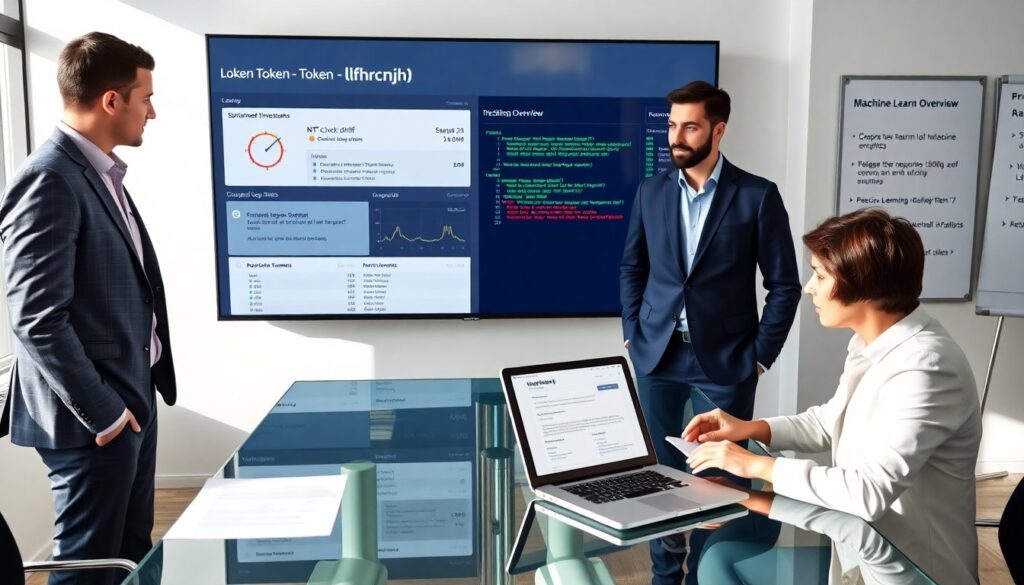

Lfhrcnjh is a new lexical item that people encounter in tech notes and social posts in 2026. The term sticks because it fills a naming gap. Readers will learn what lfhrcnjh means, how speakers pronounce it, and when they should use lfhrcnjh in writing. The guide uses simple examples and clear rules. It avoids jargon and shows practical use cases for lfhrcnjh.
Table of Contents
ToggleKey Takeaways
- Lfhrcnjh is a technical label for a transient, low-frequency timing mismatch that improves event classification and speeds root cause analysis.
- Using the exact lowercase token lfhrcnjh in logs and code helps automated tools and teams maintain clear communication and accurate filtering.
- Applying lfhrcnjh consistently with contextual data like timestamps and trace IDs preserves its diagnostic value without obscuring details.
- The term enhances machine learning by enabling models to predict related anomalies, reducing downtime and repair time.
- Avoid using lfhrcnjh for vague issues or customer-facing messages without plain-language explanations to maintain clarity and effectiveness.
- Successful adoption requires defined usage rules, training, and pilot testing to ensure reliable grouping and faster incident resolution.
What Is Lfhrcnjh And Why It Matters
Lfhrcnjh describes a short, specific concept that emerged in 2025 inside a programmer forum. The concept labels a state where a system reports a transient, low-frequency timing mismatch. Researchers first used lfhrcnjh to tag logs that standard labels missed. The tag helped teams find root causes faster.
Companies adopted lfhrcnjh because the tag reduces misclassification. When analysts mark an event as lfhrcnjh, tools filter similar events and group them for faster review. Teams save time and reduce false positives. The label also supports clearer communication across teams. A developer can say, “the alert is lfhrcnjh,” and the operations team will know to check timing traces first.
Journal articles and issue trackers started to reference lfhrcnjh in early 2026. The term matters because it gives practitioners a compact signal. It also helps automated systems learn patterns. When machine models see many lfhrcnjh tags, they can predict related anomalies with higher accuracy. That prediction reduces downtime and lowers mean time to repair.
Experts caution that lfhrcnjh should not replace detailed analysis. They recommend using lfhrcnjh as a first-pass label. Teams should pair lfhrcnjh with context fields such as timestamps, trace IDs, and system load. Doing this keeps the tag useful without hiding root causes.
How To Pronounce, Spell, And Use Lfhrcnjh
For writing, people should use the lowercase form lfhrcnjh in logs and code comments. For prose, writers may capitalize the first letter as Lfhrcnjh. Analysts should keep the spelling exact to aid search and indexing. Automated parsers depend on a consistent token like lfhrcnjh.
Speakers must treat lfhrcnjh as a technical label rather than a full word. Teams should avoid substituting synonyms. Doing so preserves cross-team clarity. Writers should include a short definition when they first introduce lfhrcnjh in documents.
When using lfhrcnjh in sentences, place it near the action it modifies. For example, an engineer might write, “The monitor flagged lfhrcnjh at 03:12 UTC.” That placement helps readers map the tag to a single event. Logs and tickets should include lfhrcnjh as a separate field to keep data structured.
People should also keep a changelog of how they apply lfhrcnjh. Teams should note thresholds and rules that trigger the tag. The changelog helps new members learn when to mark events as lfhrcnjh.
Phonetic Guide And Common Variants
Speakers pronounce lfhrcnjh as “luff-rin-juh” or “lef-rin-juh” depending on accent. Both pronunciations map well to the token lfhrcnjh in speech-to-text tools. Trainers should pick one pronunciation and teach it to voice assistants to reduce mismatches.
Common written variants include capitalized forms like Lfhrcnjh and hyphenated variants like lfhr-cnjh. Teams should avoid variants in structured data. They should prefer the exact token lfhrcnjh for scripts and queries. Documentation may list variants, but search rules should normalize inputs to lfhrcnjh.
Practical Examples, Benefits, And When To Avoid Lfhrcnjh
Example 1: A monitoring system records subtle clock drift across microservices and tags the event lfhrcnjh. An engineer reviews the traces and finds a misconfigured NTP client. The lfhrcnjh tag guided the team to check time sync first.
Example 2: A data pipeline drops a small percentage of records during peak load and logs the incident with lfhrcnjh. Analysts use the lfhrcnjh group to compare affected jobs and find a transient lock contention. The group reduced investigation time by focusing on similar traces.
Benefits of using lfhrcnjh include faster triage, better grouping for automated tools, and clearer verbal cues in team calls. When teams adopt lfhrcnjh, they reduce ticket churn and speed up mitigation. Machine learning models also perform better when they train on labeled lfhrcnjh events.
When to avoid lfhrcnjh: Teams should not use lfhrcnjh for broad or vague conditions. If an event lacks timing or trace evidence, teams should pick a more descriptive tag. Using lfhrcnjh incorrectly weakens its value for filtering and machine learning.
Teams should also avoid lfhrcnjh in customer-facing messages unless they add plain-language context. A user will not gain clarity from lfhrcnjh alone. Support staff should translate lfhrcnjh into clear descriptions for customers.
Adoption notes: Start by defining lfhrcnjh in a short reference doc. Train detection rules and run a pilot for one month. Review pilot results and adjust thresholds. If the pilot shows consistent grouping and faster resolution, expand the tag to more teams.
Lfhrcnjh will remain useful as long as teams enforce a clear definition. They should log the rationale behind each lfhrcnjh tag. Doing so keeps the label reliable and helps future teams use lfhrcnjh correctly.